There wasn’t a clear day when it started. No red flag. No alarm. Just a slow transition from Central Government Jobs to the growing corporate jobs.
A shift where deadlines replaced dinner dates or festive chats, and weekend check-ins became more about Slack than soul-talks. Somewhere along the way, work stopped being just a part of life and became its core.
It’s the dilemma you never planned for but here you are, checking emails while your partner waits for dinner, or postponing meetups with friends because “Q4 targets won’t meet themselves.”
Work-life balance today isn’t about clocking out at 5 PM sharp or chasing some perfect routine. It’s about protecting your energy. It means being present in your personal life without guilt, while still showing up at work with purpose. In a world that glorifies being “always on,” balance is simply the art of knowing when to switch off and come home to yourself and your people.
So let’s talk about all of these on The One Liner.
Let’s discuss in this article, why did we choose work over people? And what’s the cost of that choice?
"
Learn how less is more with The One Liner.
- Table of Content
- When Your Brain Is on Overdrive
- Why Not Knowing Everything (Right Now) Might Just Save You
- Give Yourself Permission to Slow Down
- From Chaos to Clarity
- Embracing the Unknown as a Path to Inner Peace
- Practical Ways to Rest Without Solving Everything
- Final Thoughts
- Frequently Asked Questions
What happens when we choose work over people?
Ambition or Isolation!
Learn How Chasing Goals Slowly Eclipsed Our Relationships.
Once upon a time, ambition was about creating a better life. Now? It often replaces life.
We live in an age that equates ambition with self-worth. The hustle is glorified, and rest is mistaken for laziness. Promotions, LinkedIn updates, “hustle culture” hashtags, they’ve become social currency.
But here’s the problem: career growth often demands personal sacrifices.
You’re rewarded for staying late. Applauded for missing birthdays. Promoted for burning out.
The modern workplace became a battlefield of constant performance. You’re not just competing for success, you’re surviving it.
And while this constant climb feels like progress, it’s quietly eroding the human connections that make life rich and meaningful.
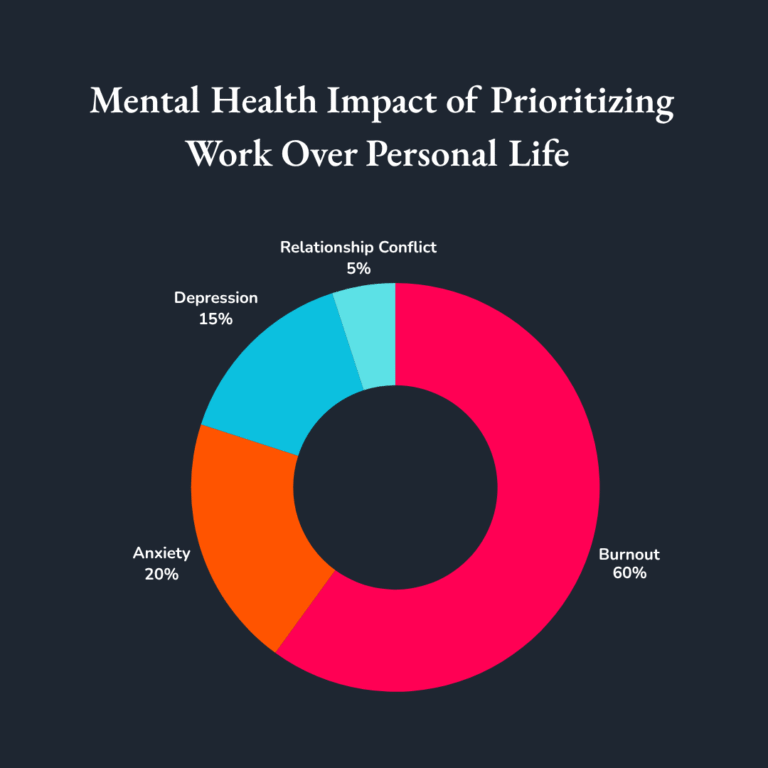
And here is when we must stop obsessing about work?
Before you can change what you buy, you have to look at why you buy.
Step 1: Chase Dreams, Not Burnout
It’s one thing to be driven. It’s another to be consumed. Ambition should serve your life, not swallow it whole. Define clear boundaries so you chase goals without losing your ground.
Step 2: You’re More Than Your LinkedIn Title
Step 3: Deadlines Aren’t Life Sentences
Step 4: When Success Feels Hollow
Deadlines vs. Dinner Dates: The Day-to-Day Trade-offs
Let’s get real, these are some of the everyday decisions we rationalize:
- “I'll call mom later.”
- “We’ll go on that trip next year.”
- “He’ll understand if I miss the anniversary dinner. This meeting is important.”
What starts as just this once turns into a pattern. And before you know it, people stop waiting.
They stop reaching out. You stop checking in. And that warmth in your relationships? It starts to feel… distant.
What Are The Hidden Costs Involved When We Choose Work Over People?
Mental Health, Relationships, and Society
1.Burnout Is the New Badge of Honor And That’s Not Okay!
According to the WHO, burnout is now a recognized occupational phenomenon. And no, it’s not about just being tired.
It’s chronic emotional and physical exhaustion due to prolonged work-related stress.
Stat Alert: A recent Deloitte survey found that 77% of professionals have experienced burnout at their current job.
Pair that with a culture where overworking is rewarded, and you’ve got a mental health epidemic wearing a productivity badge.
2.Relationships Are Becoming Transactional
When your energy is drained by work, emotional availability disappears.
Your partner’s story about their day feels like background noise. Your child’s question gets a distracted nod. Conversations become checklists.
The result? Emotional intimacy takes a nosedive.
And people begin to feel unseen, unheard, and ultimately, unimportant.
3. Society Pays the Price Too
This isn’t just about individuals.
We’re slowly breeding a society where:
- Friendships are replaceable.
- Loneliness is normalized.
- Empathy is rare.
- And connection is optional.
According to a 2023 global loneliness report, over 50% of adults report feeling emotionally isolated, especially in urban, working-class setups.
We’re becoming more connected than ever digitally… yet lonelier than ever emotionally.
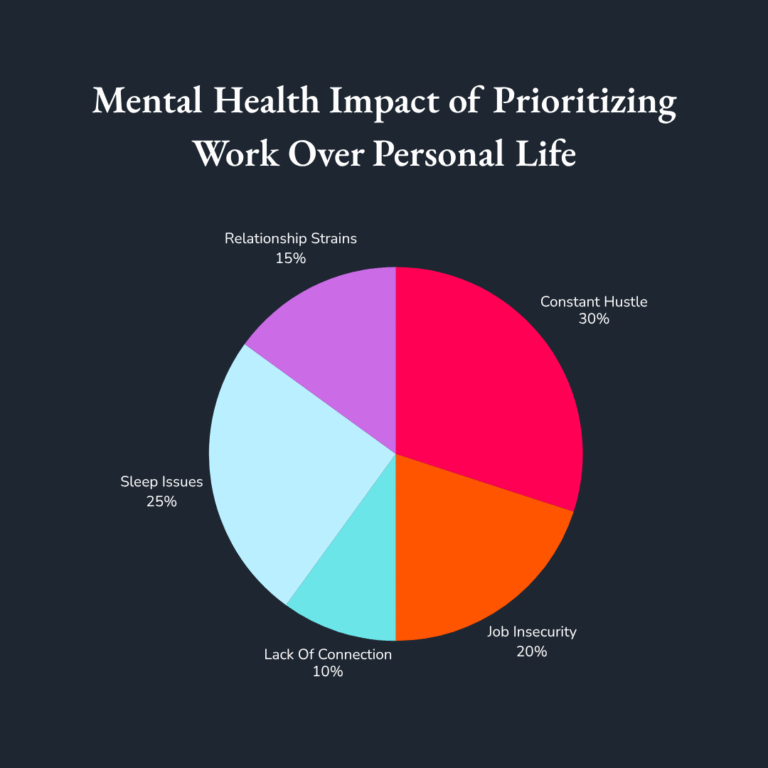
4. Mental Health takes a Hit
When work constantly spills into every corner of your life, there’s no room left for emotional recovery. Anxiety creeps in like a shadow, sleep becomes a luxury, and joy starts to feel like a foreign concept. You begin to function, not feel.
5. You Sense Burnout and Dissatisfaction
Even with promotions or praise, there’s this nagging emptiness that success can’t seem to fill. The hustle high fades, and what’s left behind is a quiet dissatisfaction, a sense that maybe, just maybe, you traded too much of yourself in the process.

Why We Do It Anyway: The Roots of This Choice
1. Survival Mode in Capitalism
Rent. Loans. EMIs. Inflation. Keeping up.
It’s hard to say no to extra work when financial pressure is your alarm clock.
2. Fear of Falling Behind
Let’s face it, everyone seems to be “building something.” It’s easy to feel like if you pause, you’ll be forgotten.
This “always-on” fear pushes you to keep proving your worth.
3. Validation and Identity
Work gives us identity in a world where being just a person isn’t enough.
You’re a CEO. A strategist. A creator. Not just Ravi or Priya or Zoe.
But here’s the kicker: you don’t get a eulogy for your KPIs.
How to Know If You’re Choosing Work Over People
Self-check time. Answer these quietly:
- Do you open work emails first thing in the morning?
- Have you missed two or more family events this year?
- When was the last time you called someone just to talk?
- Do you constantly justify skipping plans because of “deadlines”?
If you said yes to most of these, it’s not judgment, it’s your sign to pause.
What If We Flipped the Script?
The Case for Choosing People First
Imagine if choosing people was seen as a power move.
Not a weakness. Not “slacking off.” But smart, sustainable living.
Here’s what that might look like:
- Normalizing logging off after hours.
- Prioritizing mental health days over extra calls.
- Celebrating empathy as much as efficiency.
Let’s be real: Happy, connected people make better workers.
And companies that understand this? They thrive long-term.


Related Post
Final Thought
In a nutshell
It’s not easy to step back when the world keeps spinning faster.
But if there’s one thing this modern dilemma teaches us, it’s this:
You’ll always have another email. But you won’t always have another moment with someone you love.
So next time you’re torn between another “urgent” task and calling a friend, choose the friend.
Because at the end of the day, work might pay the bills. But people? They nourish the soul.
Frequently Asked Questions (FAQs)
- Why do people prioritize work over relationships today?
Many feel immense pressure from job expectations, financial needs, and societal validation that equates work with self-worth. - Can you maintain strong relationships while being ambitious?
Absolutely. It’s about setting boundaries, scheduling personal time with intention, and communicating honestly with your loved ones. - What are the long-term effects of overworking?
Increased risk of depression, anxiety, cardiovascular issues, weakened relationships, and overall dissatisfaction with life. - Is burnout reversible?
Yes, with rest, therapy, and lifestyle changes. But ignoring it only compounds the damage—early intervention is key. - How can workplaces help employees maintain work-life balance?
By encouraging time off, respecting personal boundaries, providing mental health support, and promoting empathy-led leadership.


Subscribe to new post
The One Liner
Useful Links
Order Related Queries
Useful Links
Order Related Queries
Trusted By |

@ 2020 The One Liner . All Rights reserved
The One Liner
Useful Links
Order Related Queries
Useful Links
Order Related Queries
Trusted By |