The Hidden Costs of Cribbing: Why Cutting Corners Cuts You Short
Maryam Poonawala
August 22, 2025. 3 minute Read
"
In this article, you’ll see how cribbing hides in plain sight — from classrooms to boardrooms — and why each shortcut chips away at the very thing you’re trying to build in yourself: Trust.
Cribbing in Academic and Professional Environments!
How Small Lies Take Big Bites?

Stop Cribbing! And Learn The Detrimental Effects of Cribbing Here.
How Shortcuts Shortchange You?
So what’s the big deal? A few borrowed lines here, a stolen idea there — who’s really hurt?
You are.
Every time you crib, you skip the moment your brain would’ve stretched and grown. You rob yourself of the tiny, invisible wins that add up to real skills. That’s where self-sabotage starts. Over time, your confidence shrinks, your curiosity dulls, and your name can quietly slip onto someone’s mental blacklist.
And it’s not just about you. It touches everyone connected to your work — classmates stuck picking up the slack, coworkers burned by stolen credit, teams forced to fix shaky foundations built on someone else’s words.
Remember! Your reputation is like a glass window — clear when clean, cracked when you chip away at it. One known act of dishonesty sticks far longer than the praise you faked earning.

How to Build Real Trust in Yourself?
And How Uphold To Integrity?
The real fix? Practice it like a daily habit.
Be the person who asks questions instead of copying answers. If you’re lost in a topic, dig up sources. Google Scholar is a goldmine — real research, real ideas, yours for the taking and citing.
When you choose genuine effort over the shortcut, you build something that cribbing never gives you: trust in yourself. And when you trust yourself, others trust you too. That’s the kind of reputation that travels with you — from classrooms to cubicles to conversations years down the line.
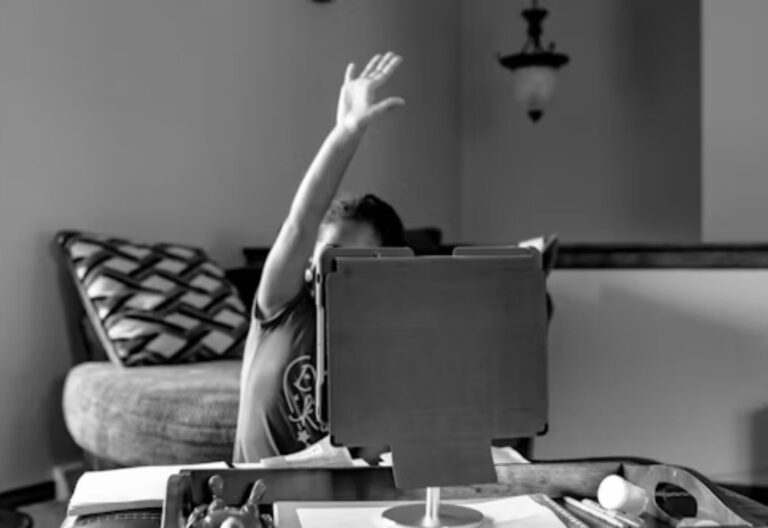

Final Thought
Shortcuts might save a few minutes today, but cost you trust tomorrow. Cribbing isn’t just bending a rule — it bends who you’re becoming. The real win is doing the work, flaws and all, and standing by it. Because honest effort builds something no shortcut ever will: real pride. Choose the longer road — it always takes you further.
Frequently Asked Questions (FAQs)
- What does cribbing actually mean?
Cribbing means cheating or copying someone else’s work, whether it’s homework, test answers, or ideas in the workplace.
- Is cribbing really that serious?
Yes. It can damage your learning, confidence, and reputation — and once trust is broken, it’s difficult to repair.
- How does cribbing show up in professional life?
At work, cribbing can take the form of stealing credit for a coworker’s idea, reusing reports without permission, or bending facts to appear more competent.
- Can you get caught cribbing?
Absolutely. Schools and companies often use plagiarism checkers and performance reviews to detect dishonesty, making it difficult for individuals to conceal their digital trail.
- How can I avoid cribbing and still get help?
Use resources like study groups, mentors, online tutorials, or trusted sites like Google Scholar to learn and cite properly rather than copying.


Subscribe to new post
The One Liner
Useful Links
Order Related Queries
Useful Links
Order Related Queries
Trusted By |

@ 2020 The One Liner . All Rights reserved
The One Liner
Useful Links
Order Related Queries
Useful Links
Order Related Queries
Trusted By |